
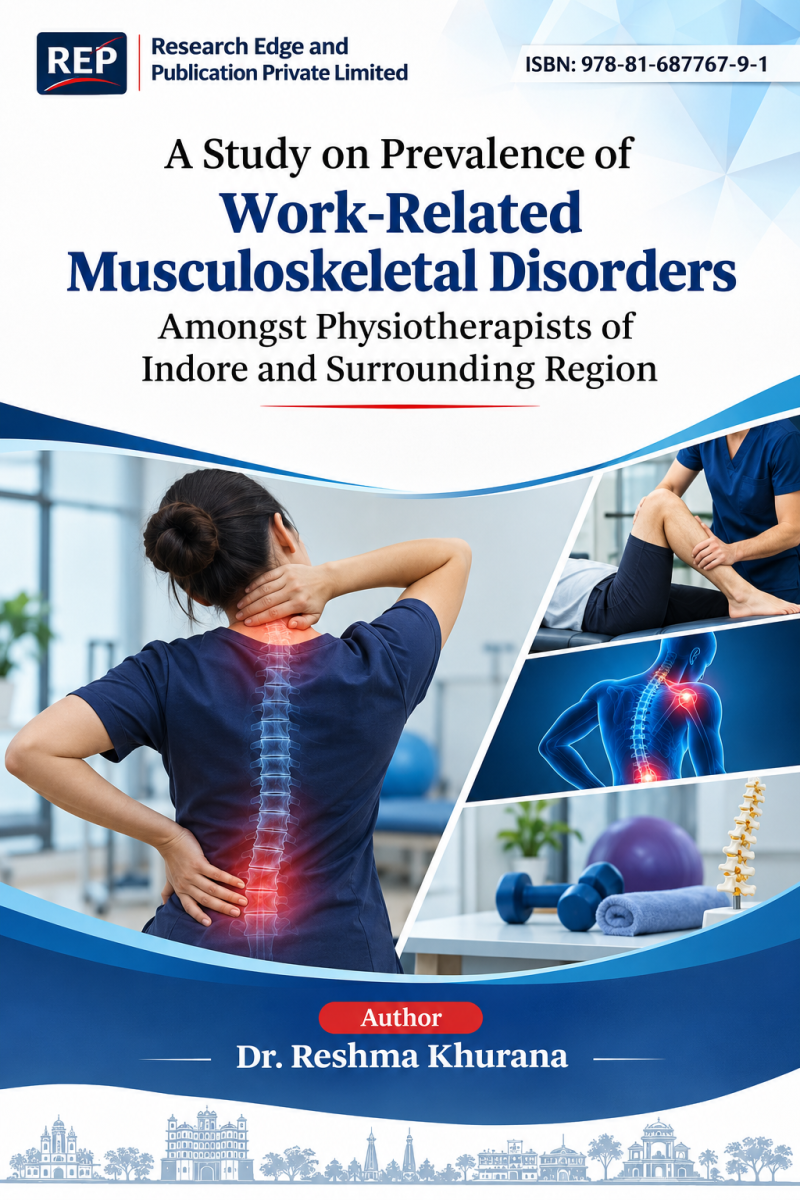
A Study on Prevalence of Work Related Musculoskeletal Disorders Amongst Physiotherapists of Indore and Surrounding Region
Keywords:
Clinical Medicine, Clinical Pre Clinical and Health, Exercise therapy, Health Care Sciences and Services, Manipulation (Therapeutics), Physical therapySynopsis
Background: Painful condition known as “Work-Related Musculoskeletal Disorders (WRMSDs)” mostly affects young physiotherapists. The nature of their work has been linked to this as the root cause. Sick leave and reduced work hours have also been linked to WRMSDs. Even though physiotherapists have extensive knowledge of WRMSDs, they have observed a high prevalence of WRMSDs throughout their lives. The study
sought to ascertain the physiotherapists in Indore city and its surroundings’ coping mechanisms as well as the prevalence and risk factors of work-related musculoskeletal disorders.
Material: 500 physiotherapists were included in this cross-sectional observational study. The data were gathered through the use of a bespoke questionnaire. The participants were physiotherapists in a clinical practice who were between the ages of 23 and 32, had at least one year of experience, and worked for at least eight hours per
day. The two sections of the questionnaire were questions about musculoskeletal issues and personal information. The Pearson Chi-square Test was used to determine whether or not demographic variables and the WRMSDs were associated. It was decided that a p value of 0.05 was statistically significant.
Results: The average age of the participants was 27.87 ± 2.88 years, with 51.8 percent being female. The majority worked between 8 and 11 hours per day, averaging 9 hours.20.8% of patients had WRMSDs. The most common conditions were tendinitis, muscle spasms, and ligament sprains. The majority of physiotherapists reported experiencing lower back pain. The majority of them were in pain for two to three weeks, with some suffering for more than three months. Sick leave had been taken by 58.7%
for one to fourteen days. 45.9% had taken one to seven days of sick leave. Only 13.5% of people had sought medical advice. The most common causes of pain were maintaining the same position (59.6%), lifting objects (55.8%), bending and twisting (48.1%), manual therapy (42.3%), and repetitive work (41.3%). WRMSDs were not correlated with demographic variables (p>0.05). To deal with these issues, people stopped lifting, stopped getting manual therapy, changed their posture, and stopped working when they were hurt. Due to WRMSDs, none of the physiotherapists quit their clinical work.
Conclusion: In our study, keeping the same position, lifting objects, bending and twisting, manual therapy, and repetitive work were the causes of WRMSDs. WRMSDs and demographic variables had no correlation. These physiotherapists used coping mechanisms like changing their posture, cutting back on manual therapy, and not working when they were in pain.
Downloads
Download data is not yet available.
References
Thesis
1. Hunt HA, Habeck RV (1993) The Michigan disability prevention study: research highlights. Kalamazoo, MI: Uphohn Institute for Employment Research.
2. Islam M (2012) Common Work-Related Musculoskeletal Disorders Among the Pediatric Physiotherapists at CRP (Doctoral dissertation, Department of Physiotherapy, Bangladesh Health Professions Institute, CRP).
3. Plange EB (2022). Work-Related Musculoskeletal Disorders among Physiotherapists in Ghana: Prevalence, Perceived Causes and Coping Strategies (Doctoral dissertation, University of Ghana). Available from: Work-Related Musculoskeletal Disorders among Physiotherapists in Ghana: Prevalence, Perceived Causes and Coping Strategies (ug.edu.gh). Accessed on 20.07.2022.
Books
4. Charlton SG, O’Brien TG (2002) The role of human factors testing evaluation in systems development. In: O’Brien TG, Charlton SG, editors, Handbook of Human Factors Testing and Evaluation. Mahwah, NJ: Lawrence Erlbaum Associates; pp. 21-36.
5. Decina MM, Bojanic I (1993) Overuse injuries of the musculoskeletal system. Boca Raton, FL: CRC Press.
6. Neumann WP, Dul J (2010) Human factors: spanning the gap between OM & HRM (Research Paper ERS-2010-020-LIS). Rotterdam, Netherlands: Erasmus Publishing Research Institute of Management.
7. Ramazzini B (1964) Diseases of workers. Translated from the Latin text De Mortis Artificum of 1713 by W.C. Wright. New York: Hafner Publishing Co.
8. Rempel D (1995) Musculoskeletal loading and carpal tunnel pressure. In: Repetitive motion disorders of the upper extremity. Rosemont, IL: American Academy of Orthopedic Surgeons; pp. 123-32.
9. Sadock BJ, Sadock VA, (1999). Kaplan and Sadock's Comprehensive Textbook of Psychiatry. Vol. II. New York: Lippincott Williams & Wilkins.
10. White AA, Panjabi MM (1990) Clinical Biomechanics of the spine. 2nd ed. Philadelphia: J B Lippincott Publishers Company.
Journal Articles
11. Abaraogu UO, Ezema CI, Nwosu CK (2017) Job stress dimension and work-related musculoskeletal disorders among southeast Nigerian physiotherapists. International Journal of Occupational Safety and Ergonomics 3;23(3):404-9.
12. Abd El Hay AE, El Sayed WH, Saleh MS (2019) Correlation between musculoskeletal disorders and work related postures in physical therapists. South Valley University International Journal of Physical Therapy and Sciences 2;1(1):20-9.
13. Abrahams M (1967) Mechanical behavior of tendon in vitro: A preliminary report. Med Biol Eng 5(5):433-43.
14. Abu-Taleb W, Youssef AR (2021) Work-related musculoskeletal disorders among Egyptian physical therapists. Bulletin of Faculty of Physical Therapy 26(1):1-1.
15. Adams MA, Hutton WC (1985) Gradual disc prolapse. Spine 10(6):524-31.
16. Adams MA, Hutton WC, Stott JR (1980) The resistance to flexion of the lumbar intervertebral joint. Spine 5(3):245-53.
17. Adegoke BO, Akodu AK, Oyeyemi AL (2008) Work-related musculoskeletal disorders among Nigerian Physiotherapists. BMC Musculoskelet Disord 9: 112-20.
18. AE R, Elsayed SE, Dawood RS (2019) Work related musculoskeletal disorders among egyptain physical therapists and years of experience. South Valley University International Journal of Physical Therapy and Sciences 2;1(1):1-7.
19. Ahmad MM, Khan L, Niazi MN, Fatima H (2022) Work Related Musculoskeletal Disorders among Physical Therapist Living in Pakistan: Cross sectional Survey. Pakistan Journal of Rehabilitation 14;11(1):155-63.
20. Al-Eisa E, Buragadda S, Shaheen AA, Ibrahim A, Melam GR (2012) Work related musculoskeletal disorders: causes, prevalence and response among Egyptian and Saudi physical therapists. Middle-East Journal of Scientific Research 12(4):523-9.
21. Alghadir A, Zafar H, Iqbal ZA, Al-Eisa E (2017) Work-Related Low Back Pain Among Physical Therapists in Riyadh, Saudi Arabia. Workplace Health Saf 65(8):337-345.
22. Alnaser MZ, Aljadi SH (2019) Physical therapists with work-related musculoskeletal disorders in the State of Kuwait: A comparison across countries and health care professions. Work 1;63(2):261-8.
23. Alperovitch-Najenson D, Treger I, Kalichman L (2014) Physical therapists versus nurses in a rehabilitation hospital: comparing prevalence of work-related musculoskeletal complaints and working conditions. Archives of Environmental & Occupational Health 1;69(1):33-9.
24. Alrowayeh HN, Alshatti TA, Aljadi SH, Fares M, Alshamire MM, Alwazan SS (2010) Prevalence, characteristics, and impacts of work-related musculoskeletal disorders: a survey among physical therapists in the State of Kuwait. BMC Musculoskelet Disord 11;11:116.
25. Amick BC, Brewer S, Tullar JM (2009) Musculoskeletal disorders: examining best practices for prevention. Professional Safety 54(3):24-8.
26. Amin J, Gohir S, Qaiser U, Siddiqui AA, Alshammary F, Alam MK (2021) Is physiotherapy an underused approach to prevent surgery in selective musculoskeletal disorders? Bangladesh Journal of Medical Science 1;20(2):409-13.
27. Anderson C, Briggs J (2008) A study of the effectiveness of ergonomically based functional screening tests and their relationship to reducing workers’ compensation injuries. Work 31(1):27-37.
28. Anderson SP, Oakman J (2016) Allied health professionals and work-related musculoskeletal disorders: a systematic review. Safety and Health at Work 1;7(4):259-67.
29. Anyfantis ID, Biska A. Musculoskeletal disorders among Greek physiotherapists: Traditional and emerging risk factors. Safety and Health at Work 1;9(3):314-8.
30. Aptel M, Aublet-Cuvelier A, Cnockaert JC (2002) Work related musculoskeletal disorders of the upper limb. Joint Bone Spine 69:546-55.
31. Armstrong RB, Warren GL, Warren JA (1991) Mechanisms of exercise-induced muscle fibre injury. Sports Med 12(3):184-207.
32. Ashfaq M, Kanwal S, Tariq A (2013) Prevalence of Work-related Musculoskeletal Disorders among Physical Therapists working in Rawalpindi/Islamabad. Journal Riphah College of Rehabilitation Sciences 1;1(2):6-11.
33. Atia DT, Abdelazeim FH, Radwan H (2015) Impact of work-related musculoskeletal disorders on Egyptian pediatric physical therapists: one-year follow-up study. Trends in Applied Sciences Research 1;10(3):175.
34. Bae YH (2018) Relationships between presenteeism and work-related musculoskeletal disorders among physical therapists in the Republic of Korea. International Journal of Occupational Safety and Ergonomics 3;24(3):487-92.
35. Balakrishnan R, Naib NA (2016) Prevalence of work related musculoskeletal disorders among Physiotherapists in Sabah: A cross-sectional study. International Journal of Physical Education, Sports and Health 3(1):336-43.
36. Barnes R, Birch J, Cloete MM, Joubert L, Usher AC, Nel M. The incidence of work-related low back pain among currently practicing physiotherapists in Bloemfontein. South African Journal of Physiotherapy 1;63(1):9.
37. Barnes R, Colyn HJ, Moolman C, Roux Z, Shabort DJ, Yzel ME, Raubenheimer J (2011) The lifetime prevalence of work-related thumb and wrist pain among physiotherapists in Bloemfontein. Occupational Health South Africa 16-22.
38. Barnes RJ, Birch MM, Cloete L, Joubert AC, Usher MM (2007) The incidence of work-related low back pain among currently practicing physiotherapists in Bloemfontein. South African Journal of physiotherapy 63(1):9-13.
39. Beckerman H, Bouter LM, Van der Heijden GJ, De Bie RA, Koes BW (1993) Efficacy of physiotherapy for musculoskeletal disorders: what can we learn from research?. British Journal of General Practice 1;43(367):73-7.
40. Bevan S (2015) Economic impact of musculoskeletal disorders (MSDs) on work in Europe. Best Practice & Research Clinical Rheumatology 1;29(3):356-73.
41. Bindu HP, Thiruppathi A (2014) Work related musculoskeletal discomfort (WRMSD) among physiotherapists. International Journal of Physiotherapy 1(4)Online.
42. Boocock MG, Collier JM, McNair PJ, Simmonds M, Larmer PJ, Armstrong B (2009) A framework for the classification and diagnosis of work-related upper extremity conditions: systematic review. Semin Arthritis Rheum 38(4):296-311.
43. Bork BE, Cook TM, Rosecrance JC, Engelhardt KA, Thomason ME, Wauford IJ, Worley RK (1996) Work-related musculoskeletal disorders among physical therapists. Phys Ther 76(8):827-35.
44. Buckle PW, Deverreux JJ (2002) The nature work-related neck and upper limb musculoskeletal disorders. Appl Ergon 33:207-17.
45. Buddhadev NP, Kotecha IS (2012) Work-related musculoskeletal disorders: a survey of physiotherapists in Saurashtra region. National Journal of Medical Research 30;2(02):179-81.
46. Campo M, Weiser S, Koenig KL, Nordin M (2008) Work-related musculoskeletal disorders in physical therapists: a prospective cohort study with 1-year follow-up. Phys Ther 88(5);608-19.
47. Caragianis S (2002) The prevalence of occupational injuries among hand therapists in Australia and New Zealand. J Hand Ther 15(3):234-241.
48. Carta A, Parmigiani F, Parrinello G, Porru S (2007) Fisioterapisti e disturbi muscoloscheletrici: analisi di una casistica [A survey on musculoskeletal disorders in physiotherapists]. G Ital Med Lav Ergon 29(3 Suppl):583-4.
49. Cassidy JD, Carroll LJ, Côté P, Lemstra M, Berglund A, Nygren A (2000) Effect of eliminating compensation for pain and suffering on the outcome of insurance claims for whiplash injury. N Engl J Med 342(16):1179-86.
50. Chen CY, Lu SR, Yang SY, Liang FW, Wang JJ, Ho CH, Hsiao PC (2022) Work-related musculoskeletal disorders among physical therapists in Taiwan. Medicine 101(7):e28885.
51. Chetty L (2010) Physiotherapy and ergonomics for a work-related musculoskeletal disorder. International Journal of Therapy and Rehabilitation 17(2):84-91.
52. Childs JD, Whitman JM, Sizer PS, Pugia ML, Flynn TW, Delitto A (2005) A description of physical therapists’ knowledge in managing musculoskeletal conditions. BMC Musculoskelet Disord 6:32.
53. Choi SD, Woletz T (2010) Do stretching programs prevent work-related musculoskeletal disorders? J Saf Health Environ Res 6(3)
54. Cholewicki J, McGill SM (1992) Lumbar posterior ligament involvement during extremely heavy lifts estimated from fluoroscopic measurements. J Biomech 25(1):17-28.
55. Chung SH, Her JG, Ko T, Ko J, Kim H, Lee JS, Woo JH. Work-related musculoskeletal disorders among Korean physical therapists. J Phys Ther Sci 25(1):55–9.
56. Çınar-Medeni Ö, Elbasan B, Duzgun I (2017) Low back pain prevalence in healthcare professionals and identification of factors affecting low back pain. Journal of Back and Musculoskeletal Rehabilitation 1;30(3):451-9.
57. Cornwell L, Doyle H, Stohner M, Hazle C (2021) Work-related musculoskeletal disorders in physical therapists attributable to manual therapy. J Man Manip Ther 29(2):92-98.
58. Coté J, Ngomo S, Stock S, Messing K, Vézina N, Antle D, Delisle A, Bellemare M, Laberge M, St-Vincent M (2013) Quebec research on work-related musculoskeletal disorders: Deeper understanding for better prevention. Relations Industrielles / Industrial Relations 68(4):643-60.
59. Cromie JE, Robertson VJ, Best MO (2000) Work related musculoskeletal disorders in physical therapists: prevalence, severity, risks and responses. Phys Ther 80(4):529-530.
60. Cromie JE, Robertson VJ, Best MO (2002) Work related musculoskeletal disorders and the culture of physical therapy. Phys Ther 82(5):459-472.
61. da Costa B, Vieira E (2008) Stretching to reduce work-related musculoskeletal disorders: A systematic review. J Rehabilitation Medicine 40:321-8.
62. Darragh AR, Huddleston W, King P (2009) Work-related musculoskeletal injuries and disorders among occupational and physical therapists. The American Journal of Occupational Therapy 63(3):351-62.
63. de Looze MP, Toussaint HM, van Dieën JH, Kemper HCG (1993) Joint moments and muscle activity in the lower extremities and lower back in lifting and lowering tasks. J Biomech 26(9):1067-76.
64. Denis D, St-Vincent M, Imbeau D, Jette C, Nastasia I (2008) Intervention practices in musculoskeletal disorder prevention: a critical literature review. Applied Ergonomics 1;39(1):1-4.
65. Desai M, Jain S (2020) Prevalence of Musculoskeletal Problems in Physiotherapy Students. Age 20(2)
66. Desai RG, Shah MK (2021) Prevention of Work-Related Musculoskeletal Disorders in Physiotherapist-A Review. International Journal of Research and Review 8(12):497-502.
67. Descatha A, Roquelaure Y, Chastaq JF, Evanoff B, Melchior M, Mariot C, Ha C, Imberno E, Goldberq M, Laclerc A (2007) Validity of Nordic-style questionanires in the surveillance of upper-limb work-related musculoskeletal disorder. Scand J Work Environ Health 33:58-65.
68. Diener I (2021) Physiotherapy support for self-management of persisting musculoskeletal pain disorders. S Afr J Physiother 29;77(1):1564.
69. Dyrkacz AP, Mak LY, Heck CS (2012) Work-related injuries in Canadian occupational therapy practice. Canadian Journal of Occupational Therapy 79(4):237-47.
70. Epstein S, Sparer EH, Tran BN, Ruan QZ, Dennerlein JT, Singhal D, Lee BT (2018) Prevalence of work-related musculoskeletal disorders among surgeons and interventionalists: a systematic review and meta-analysis. JAMA Surgery 1;153(2):e174947-.
71. Floyd WF, Silver PH (1955) The function of the erectores spinae muscles in certain movements and postures in man. J Physiol 129(1):184-203.
72 Foster NE, Hartvigsen J, Croft PR (2012) Taking responsibility for the early assessment and treatment of patients with musculoskeletal pain: a review and critical analysis. Arthritis Res Ther 14(1):205.
73. Gagnon M, Plamondon A, Gravel D (1993) Pivoting with the load: an alternative for protecting the back in asymmetrical lifting. Spine 18(11):1515-24.
74. Galeoto G, Aloisi A, Mollica R, Servadio A, Santilli V, Vanacore N (2020) An evaluation of work-related musculoskeletal disorders in physiotherapists: a systematic review. Giornale Italiano di Medicina del Lavoro ed Ergonomia 1;42(1):16-28.
75. Ganiyu SO, Olabode JA, Stanley MM, Muhammad I (2015) Patterns of occurrence of work-related musculoskeletal disorders and its correlation with ergonomic hazards among health care professionals. Niger J Exp Clin Biosci 3:18-23
76. Gelberman RH, Hergenroeder PT, Hargens AR, Lundborg GN, Akeson WH (1981) The carpal tunnel syndrome. J Bone Joint Surg 63A:380-3.
77. Glover W (2002) Work-related strain injuries in physiotherapists: prevalence and prevention of musculoskeletal disorders. Physiotherapy 1;88(6):364-72.
78. Glover W, McGregor A, Sullivan C, Hague J (2005) Work-related musculoskeletal disorders affecting members of the Chartered Society of Physiotherapy. Physiotherapy. 91(3):138-47.
79. Goldstein SA, Armstrong TJ, Chaffin DB, Matthews LS (1987) Analysis of cumulative strain in tendons and tendon sheaths. J Biomech 20(1):1-6.
80. Gore M, Sadosky A, Stacey BR, Tai KS, Leslie D (2012) The burden of chronic low back pain: clinical comorbidities, treatment patterns, and health care costs in usual care settings. Spine 37(11):E668-77.
81. Graham L, Gray H (2005) Recently qualified physiotherapists' perceptions of work-related musculoskeletal disorders. International journal of Therapy and Rehabilitation 12(7):299-307.
82. Grooten WJ, Wernstedt P, Campo M (2011) Work-related musculoskeletal disorders in female Swedish physical therapists with more than 15 years of job experience: prevalence and associations with work exposures. Physiother Theory Pract 27(3):213-22.
83. Gropelli TM, Corle K (2010) Nurses' and therapists' experiences with occupational musculoskeletal injuries. AAOHN Journal 58(4):159-66.
84. Haleem MH, Ali I, Khan S, Jehangir A, Ullah I (2020) Work related musculoskeletal disorders in physical therapists; a systematic review. Rehman Journal of Health Sciences 2(2):28-35.
85. Hamilton A (1943) Exploring the dangerous trades: the autobiography of Alice Hamilton. Boston: Little, Brown and Co.
86. Hess JA, Hecker S (2003) Stretching at work for injury prevention: issues, evidence and recommendations. Appl Occup Environ Hyg 18(5):331-8.
87. Hignett S (2003) Intervention strategies to reduce musculoskeletal injuries associated with handling patients: a systematic review. Occupational and Environmental Medicine 1;60(9):e6-.
88. Holder NI, Clark JM, DiBlasio JM, DiBlasio JM, Hughes CL, Schrpf JW, Harding L, Shepard KF (1999) Cause, prevalence, and response to occupational musculoskeletal injuries reported by physical therapists and physical therapist assistants. Phys Ther 79:642-652.
89. Hutton WC, Adams MA (1982) Can the lumbar spine be crushed in heavy lifting? Spine 7(6):586-90.
90. Iqbal Z, Alghadir A (2015) Prevalence of work-related musculoskeletal disorders among physical therapists. Med Pr 66(4):459-69.
91. Islam M, Habib M, Hafez M, Nahar N, Lindstrom-Hazel D, Rahman M (2015) Musculoskeletal complaints among physiotherapy and occupational therapy rehabilitation professionals in Bangladesh. Work 1;50(3):379-86.
92. Javed S, Sultan AJ, Khan MU, Rahim M (2013) Frequency of work related low back pain among physical therapists. Pakistan Journal of Rehabilitation 2(2):38-44.
93. Jenkins H, Myezwa H (2015) Work-related thumb disorders in South African physiotherapists treating musculoskeletal conditions using manual therapy techniques. The South African Journal of Physiotherapy 71(1)
94. Johnson WG, Baldwin ML, Butler RJ (1998) Back pain and work disability: the need for a new paradigm. Ind Relat 37(1):9-34.
95. Kakaraparthi VN, Vishwanathan K, Gadhavi B, Reddy RS, Samuel PS, Alshahrani MS, Kakaraparthi L, Gannamaneni VK, Tedla JS (2021) The prevalence, characteristics, and impact of work-related musculoskeletal disorders among physical therapists in the Kingdom of Saudi Arabia–a cross-sectional study. Medycyna Pracy 1;72(4):363-73.
96. Karanikas N, Jani BD (2022) Frequency of examination and perceived contribution of factors relating to work-related musculoskeletal disorders of physiotherapists. International Journal of Occupational Safety and Ergonomics 3;28(2):1112-29.
97. Kebrit D, Rani S (2013) Assessment of work-related musculoskeletal disorders: causes and prevention. J Res Sci Tech 2(8)
98. Khairy WA, Bekhet AH, Sayed B, Elmetwally SE, Elsayed AM, Jahan AM (2019) Prevalence, profile, and response to work-related musculoskeletal disorders among Egyptian physiotherapists. Open Access Macedonian Journal of Medical Sciences 5;7(10):1692.
99. Kilbom Å (1999) Possibilities for regulatory actions in the prevention of musculoskeletal disorders. Scandinavian Journal of Work, Environment & Health 1:5-12.
100. Kim G, Lee CS, Lee K (2019) Study of work-related musculoskeletal pain and health-related quality of life among hospital workers. The Journal of Korean Physical Therapy 31(5):304-10.
101. King P, Huddleston W, Darragh AR (2009) Work-related musculoskeletal disorders and injuries: differences among older and younger occupational and physical therapists. Journal of Occupational Rehabilitation 19(3):274-83.
102. Krause N, Dasinger LK, Neuhauser F (1998) Modified work and return to work: a review of the literature. J Occup Rehabil 8(2):113-39.
103. Kroenke K, Spitzer RL, Williams JBW, Linzer M, Hahn SR, deGruy FV (1994) Physical symptoms in primary care: predictors of psychiatric disorders and functional impairment. Arch Fam Med 3(9):774-9.
104. Kuorinka I, Jonson B, Kilbom A, Vinterberg H, Biering-Sorensen F, Anderson G, Jorgensen K (1987) Standardized Nordic questionnaires for the analysis of musculoskeletal symptoms. Appl Ergon 18;233-237.
105. Kwon MJ, Kim SM (2001) A survey on the work-related musculoskeletal disorders in physical therapist in daegu. The Journal of Korean Physical Therapy 13(1):151-60.
106. Lahoti S, Narayan A, Ottayil ZC, Bhaskaran U (2014) Prevalence of musculoskeletal disorders among doctors in Mangalore: A cross-sectional survey. Int J Health Allied Sci 3:204-7.
107. Landry MD, Raman SR, Sulway C, Golightly YM, Hamdan E (2008) Prevalence and risk factors associated with low back pain among health care providers in a Kuwait hospital. Spine 33:539-545.
108. Liao JC, Ho CH, Chiu HY, Wang YL, Kuo LC, Liu C, Wang JJ, Lim SW, Kuo JR (2016) Physiotherapists working in clinics have increased risk for new-onset spine disorders: a 12-year population-based study. Medicine 95(32)
109. Liberty Mutual Group. Colorado casualty (2009) Worksite exercise programs and control of upper extremity musculoskeletal disorders. Loss Prevention Reference Note LP5067;CCI:R5.
110. Loeser JD, Henderlite SE, Conrad DA (1995) Incentive effects of workers’ compensation benefits: A literature synthesis. Med Care Res Rev 52(1):34-59.
111. Loisel P, Buchbinder R, Hazard R, Keller R, Scheel I, Van Tulder M, Webster B (2005) Prevention of work disability due to musculoskeletal disorders: the challenge of implementing evidence. Journal of Occupational Rehabilitation 15(4):507-24.
112. Lotters F, Burodf A, Kuiper J (2003) Model for the work-relatedness of low back pain. Scand J Work Environ Health 29:431-440.
113. Macdonald W, Oakman J (2015) Requirements for more effective prevention of work-related musculoskeletal disorders. BMC Musculoskeletal Disorders 16(1):1-9.
114. Madiha A, Saba K (2013) Prevalence of Work-related Musculoskeletal Disorders among Physical Therapists working in Rawalpindi/Islamabad JRCRS 1(2):6-11.
115. Maheshwari P, Soni R, Parkash N (2015) Work related musculoskeletal disorders: a survey of physiotherapists in tricity. International Journal of Physiotherapy 1;2(6):1091-6.
116. Mahmud N, Schonstein E, Schaafsma F (2010) Preemployment examinations for preventing occupational injury and disease in workers. Cochrane Database Syst Rev 8(12):CD008881.
117. Malik KM, Beckerly R, Imani F (2018) Musculoskeletal disorders a universal source of pain and disability misunderstood and mismanaged: A critical analysis based on the US model of care. Anesthesiology and Pain Medicine 8(6).
118. Marras WS, Allread WG, Burr DL, Fathallah FA (2000) Prospective validation of a low-back disorder risk model and assessment of ergonomic interventions associated with manual materials handling tasks. Ergonomics 43(11):1866-86.
119. Marras WS, Cutlip RG, Burt SE, Waters TR (2009) National occupational research agenda (NORA) future directions in occupational musculoskeletal disorder health research. Applied Ergonomics 1;40(1):15-22.
120. McGill SM, Norman RW, Cholewicki J (1996) A simple polynomial that predicts low-back compression during complex 3-D tasks. Ergonomics 39(9):1107-18.
121. McMahon M, Stiller K, Trott P (2006) The prevalence of thumb problems in Australian physiotherapists is high: an observational study. Australian Journal of Physiotherapy 1;52(4):287-92.
122. McPhail SM, Waite MC (2014) Physical activity and health-related quality of life among physiotherapists: a cross sectional survey in an Australian hospital and health service. Journal of Occupational Medicine and Toxicology 9(1):1-9.
123. Meh J, Bizovičar N, Kos N, Jakovljević M (2020) Work-related musculoskeletal disorders among Slovenian physiotherapists. Journal of Health Sciences 29;10(2):115-24.
124. Mierzejewski M, Kumar S (1997) Prevalence of low back pain among physical therapists in Edmonton, Canada. Disabil Rehabil 19:309-317.
125. Milhem M, Kalichman L, Ezra D, Alperovitch-Najenson D (2016) Work-related musculoskeletal disorders among physical therapists: A comprehensive narrative review. Int J Occup Med Environ Health 29(5):735-47.
126. Modhi Z, Albatayneh R, Al-Sharman A (2022) Work-related musculoskeletal disorders among jordanian physiotherapists: Prevalence and risk factors. Work. Epub ahead of print. PMID: 36057806.
127. Mohamed IT, Kandil OA, Mohammed MM, Abd Elmageed SF (2017) Prevalence of low back pain among physical therapists in Cairo-Egypt. International Journal of Therapies and Rehabilitation Research. 6(4):21.
128. Molumphy M, Unger B, Jensen GM, Lopopolo RB (1985) Incidence of work related musculoskeletal low back pain in physical therapists. Phys Ther 65:482-486.
129. Mondal A, Mehedi MM (2019) Work Related Musculoskeletal Disorders among Physiotherapists in Dhaka City. Bone Muscle 2:001-4.
130. Morris JM, Lucas DB, Bresler B (1961) Role of the trunk in stability of the spine. J Bone Joint Surg 43(3):327-51.
131. Muaidi QI, Shanb AA (2016) Prevalence causes and impact of work related musculoskeletal disorders among physical therapists. Journal of Back and Musculoskeletal Rehabilitation 1;29(4):763-9.
132. Mubashir M (2021) A cross-sectional survey on prevalence of upper cross syndrome and its correlation to WRMSDs in working physiotherapists. Pakistan Journal of Rehabilitation 24;10(1):42-50.
133. Nachemson AL, Morris JM (1964) Lumbar intradiscal pressure. Acta Orthop Scand Suppl 43:1077-92.
134. Nikhata LA, Zyaambo C, Nzala SH, Siziya S (2010) Work-related Musculoskeletal Disorders: Prevalence, contributing factors and coping strategies among physiotherapy personnel in Lusaka, Kitwe and Ndola districts, Zambia. Medical Journal of Zambia 37(4) Online.
135. NIOSH (1997a) Elements of ergonomics programs: A primer based on workplace evaluations of musculoskeletal disorders. Washington, DC: U.S. Department of Health and Human Services (DHHS), public health services, CDC, Author.
136. NIOSH (1997b) Musculoskeletal disorders and workplace factors: A critical review of epidemiologic evidence for work-related musculoskeletal disorders of the neck, upper extremity and low back. Washington, DC: U.S. DHHS, Public Health Services, CDC, Author.
137. Nizami GN, Sarfraz M, Nizami SN (2013) Prevalence of low back pain in home-based physical therapists. Pakistan Journal of Rehabilitation 2(1):22-30.
138. Nkhata LA, Zyaambo C, Nzala SH, Siziya S (2010) Work-related musculoskeletal disorders: Prevalence, contributing factors and coping strategies among physiotherapy personnel in Lusaka, Kitwe and Ndola districts, Zambia. Medical Journal of Zambia 37(4):262-7.
139. No authors mentioned (1996) Musculoskeletal disorders: work-related risk factors and prevention. International Journal of Occupational and Environmental Health 1;2(3):239-46.
140. Nordin NA, Leonard JH, Thye NC (2011) Work-related injuries among physiotherapists in public hospitals: a Southeast Asian picture. Clinics (Sao Paulo) 66(3):373-8.
141. Nyland LJ, Grimmer KA (2003) Is undergraduate physiotherapy study a risk factor for low back pain? A prevalence study of LBP in physiotherapy students. BMC Musculoskelet Disord 9;4:22.
142. O’Malley PG, Jackson JL, Santoro J, Tomkins G, Balden E, Kroenke K (1999) Antidepressant therapy for unexplained symptoms and symptom syndromes. J Fam Pract 48(12):980-90.
143. Obelieniene D, Schrader H, Bovim G, Miseviciene I, Sand T (1996) Pain after whiplash: A prospective controlled inception cohort study. J Neurol Neurosurg Psychiatry 66(3):279-83.
144. Palmer K, Smith G, Kellingray S, Cooper C (1999) Repeatability and validity of an upper limb and neck discomfort questionnaire: the utility of the standardized Nordic questionnaire. Occup Med 49:171-175.
145. Passier L, McPhail S (2011) Work related musculoskeletal disorders amongst therapists in physically demanding roles: qualitative analysis of risk factors and strategies for prevention. BMC Musculoskeletal Disorders 12(1):1-9.
146. Passier L, McPhail S (2011) Work-related injuries amongst occupational therapists: a preliminary investigation. British Journal of Occupational Therapy 74(3):143-7.
147. Poitras S, Blais R, Swaine B, Rossignol M (2005) Management of work-related low back pain: a population-based survey of physical therapists. Phys Ther 2005 Nov 1;85(11):1168-81.
148. Potter M, Jones S (2006) Entry-level physiotherapists' strategies to lower occupational injury risk in physiotherapy: a qualitative study. Physiotherapy Theory and Practice 1;22(6):329-36.
149. Prall J, Ross M (2019) The management of work-related musculoskeletal injuries in an occupational health setting: the role of the physical therapist. J Exerc Rehabil 26;15(2):193-199.
150. Prerana S, Saravanan M, Krunal L, Krishna R, Ruchi V (2016) Prevalence, job risk factors and coping strategies of Work Related Musculoskeletal Disorders among Physiotherapists. International Journal of Occupational Safety and Health 1;6(2):6-12.
151. Rahimi F, Kazemi K, Zahednejad S, López-López D, Calvo-Lobo C (2018) Prevalence of Work-Related Musculoskeletal Disorders in Iranian Physical
Therapists: A Cross-sectional Study. J Manipulative Physiol Ther 41(6):503–7.
152. Rahman M, Chowdhury A, Zaman MS, Sultana N, Amin MB, Hossain MM (2017) Work-related musculoskeletal disorders among health care professionals. Update Dental College Journal 24;7(1):4-9.
153. Rahmati-Yami M, Azarmi E, Rahnama L, Hosseinzadeh S, Karimi N (2020) The Relationship between Work-Related Musculoskeletal Disorders and Types of Used Treatment Methods among Iranian Physiotherapists. Archives of Rehabilitation 10;21(1):22-39.
154. Ramanandi VH (2021) Association between Work Experience and Work-Related Musculoskeletal Disorders among the Clinical and Teaching Physiotherapists of Gujarat, India–An Observational Study. International Journal of Occupational Safety and Health 23;11(1):9-15.
155. Rivera II EL, Santos HD, Saddi JI, Ruiz JK, de Guzman AJ (2014) A cross sectional study to determine the risk factors of work-related musculoskeletal disorders among physical therapists in Metro Manila. UERM Health Sciences Journal 3(1):43-48.
156. Rozenfeld V, Ribak J, Danziger J, Tsamir J, Carmeli E (2010) Prevalence, risk factors and preventive strategies in work-related musculoskeletal disorders among Israeli physical therapists. Physiotherapy Research International 15(3):176-84.
157. Rugelj D (2003) Low back pain and other work-related musculoskeletal problems among physiotherapists. Appl Ergon 34:635-639.
158. Sagahutu JB, Nuhu A (2019) A descriptive study on work related musculoskeletal disorders (WMDs) among physiotherapy practitioners in
Kigali city: prevalence, risk factors and preventive strategies. Nigerian Journal of Medical Rehabilitation 3;20(1)
159. Salah S, Abdelghaffar H, Kalai A, Feki I, Frih ZB (2018) Musculoskeletal disorders in physiotherapists of a university hospital center. Annals of Physical and Rehabilitation Medicine 1;61:e141.
160. Salik Y, Ozcan A (2004) Work-related musculoskeletal disorders: a survey of physical therapists in Izmir-Turkey. BMC Musculoskelet Disord 18;5:27.
161. Santos C, Neto P (2012) Ergonomics and quality: an ergonomic quality assessment model for the workstation using the parameters established under the Brazilian regulations on ergonomics (NR-17) Work 41:6087-93.
162. Schechtman H, Bader DL (1997) In vitro fatigue of human tendons. J Biomech 30(8):829-35.
163. Schofield DJ, Fletcher SL (2007) The physiotherapy workforce is ageing, becoming more masculinised, and is working longer hours: a demographic study. Australian Journal of Physiotherapy 1;53(2):121-6.
164. Scholey M, Hair M (1989) Back pain in physiotherapists involved in back care education. Ergonomics 32(2):179-190.
165. Schultz A, Andersson G, Haderspeck K, Nachemson A (1982) Loads on the lumbar spine: validation of a biomechanical analysis by measurements of intradiscal pressures and myoelectric signals. J Bone Joint Surg 64:713.720.
166. Shaikh MU, Faizan M, Sheraz M, Waqas M, Kamal A (2019) Prevention strategies adopted by physiotherapists in response to work related musculoskeletal disorders. Rawal Medical Journal 15;44(1):159-161.
167. Shankar CM, Venkatesan R (2021) Work-related musculoskeletal disorders among male health-care professionals in a private health care organization, India: Prevalence and associated risk factors. Indian J Phys Ther Res 3:3-7.
168. Sharan D, Ajeesh PS (2012) Injury prevention in physiotherapists-a scientific review. Work 1;41(Supplement 1):1855-9.
169. Shehab D, Al-Jarallah K, Moussa MA, Adham N (2003) Prevalence of low back pain among physical therapists in Kuwait. Med Princ Pract 12(4):224-30.
170. Silverstein BA, Armstrong TJ, Longmate A, Woody D (1988) Can in-plant exercise control musculoskeletal symptoms? J Occup Med 30(12):922-7.
171. Singh P (2017) Work Related Musculoskeletal Disorders in Occupational Therapists and Physiotherapist. International Journal of Science and Research (IJSR) 6(1):844-7.
172. Snodgrass SJ, Rivett DA (2002) Thumb pain in physiotherapists: potential risk factors and proposed prevention strategies. Journal of Manual & Manipulative Therapy 1;10(4):206-17.
173. Stamou M, Damigos D, Petridis P, Petridis A, Mavreas V, Eftychidou E (2007) Work related musculoskeletal disorders among physical therapists in Greece. Rev Clin Pharmacol Pharmacokinet Int Ed 21(3):261–9.
174. Stock SR, Nicolakakis N, Vézina N, Vézina M, Gilbert L, Turcot A, Sultan-Taieb H, Sinden K, Kin R, Denis MA, Delga C (2018) Are work organization interventions effective in preventing or reducing work-related musculoskeletal disorders? A systematic review of the literature. Scandinavian Journal of Work, Environment & Health 1:113-33.
175. Strunin L, Boden LI (2000) Paths of reentry: employment experiences of injured workers. Am J Ind Med 38(4):373-84.
176. Tanzer RC (1959) The carpal tunnel syndrome: A clinical and anatomical study. J Bone Joint Surg Am 41-A(4):626-34.
177. Theurel J, Desbrosses K (2019) Occupational exoskeletons: overview of their benefits and limitations in preventing work-related musculoskeletal disorders. IISE Transactions on Occupational Ergonomics and Human Factors 2;7(3-4):264-80.
178. Tišlar MH, Starc G, Kukec A (2022) Work-related Musculoskeletal Disorders Among Physiotherapists and Physiotherapy Students in Croatia and their Association with Physical Fitness. Zdr Varst 61(3):171-180.
179. Toussaint HM, de Winter AF, de Haas Y, de Looze MP, Van Dieën JH, Kingma I (1995) Flexion relaxation during lifting: implications for torque production by muscle activity and tissue strain at the lumbo-sacral joint. J Biomech 28(2):199-210.
180. Triggs D, King PM (2000) Job rotation: an administrative strategy for hazard control. Professional Safety 45(2):32-4.
181. Truszczyńska A, Scherer A, Drzał-Grabiec J (2016) The occurrence of overload at work and musculoskeletal pain in young physiotherapists. Work 23;54(3):609-16.
182. Useh U, Igumbor EU, Madzivire DM (2003) Occupational injuries among physiotherapists: a case study in Zimbabwe: original contribution. African Safety Promotion 1;1(2):26-33.
183. Vieira ER, Schneider P, Guidera C, Gadotti IC, Brunt D (2016) Work-related musculoskeletal disorders among physical therapists: a systematic review. Journal of Back and Musculoskeletal Rehabilitation 1;29(3):417-28.
184. Vieira ER, Svoboda S, Belniak A, Brunt D, Rose-St Prix C, Roberts L, da Costa BR (2016) Work-related musculoskeletal disorders among physical therapists: an online survey. Disability and Rehabilitation 12;38(6):552-7.
185. Volinn E (1999) Do workplace interventions prevent low-back disorders? If so, why? A methodologic commentary. Ergonomics 42(1):258-72.
186. Waddell G (2006) Preventing incapacity in people with musculoskeletal disorders. British Medical Bulletin 1;77(1):55-69.
187. Waller E, Bowens A, Washmuth N (2022) Prevalence of and prevention for work-related upper limb disorders among physical therapists: a systematic review. BMC Musculoskeletal Disorders 23(1):1-3.
188. Waqas M, Kamal A (2019) Prevention strategies adopted by physiotherapists in. Rawal Medical Journal Jan;44(1)
189. West DJ, Gardner D (2001) Occupational injuries of physiotherapists in North and Central Queensland. Aust J Physiother 47(3):179-186.
190. Wijnhoven HA, De Vet HC, Picavet HS (2006) Prevalence of musculoskeletal disorders is systematically higher in women than in men. The Clinical Journal of Pain 1;22(8):717-24.
191. Wilhelmus Johannes Andreas G, Wernstedt P, Campo M (2011) Work-related musculoskeletal disorders in female Swedish physical therapists with more than 15 years of job experience: prevalence and associations with work exposures. Physiotherapy Theory and Practice 1;27(3):213-22.
192. Winnemuller LL, Spielholz PO, Daniell WE, Kaufman JD (2004) Comparison of ergonomist, supervisor and worker assessments of work-related musculoskeletal risk factors. J Occup Environ Hyg 1(6):414-22.
193. Yasobant S, Rajkumar P (2014) Work-related musculoskeletal disorders among health care professionals: A cross-sectional assessment of risk factors in a tertiary hospital, India. Indian Journal of Occupational and Environmental Medicine 18(2):75.
194. Yazdani A, Neumann WP, Imbeau D, Bigelow P, Pagell M, Wells R (2015) Prevention of musculoskeletal disorders within management systems: A scoping review of practices, approaches, and techniques. Applied Ergonomics 1;51:255-62.
195. Yazdani A, Hilbrecht M, Imbeau D, Bigelow P, Neumann WP, Pagell M, Wells R (2018) Integration of musculoskeletal disorders prevention into management systems: a qualitative study of key informants’ perspectives. Safety Science 1;104:110-8.
196. Zuccarello V, Paul JM (2011) Functional capacity evaluations and return to work. Monitor 10(2):4-9.Internet
197. Douphrate D, Rosecrance J (2004) The economics and cost justification of ergonomics. Available: http://ergo.mech.utah.edu/pages/NORA/2004/29-40_DouphrateDavid.pdf [Accessed 10 April 2020]
198. Happy SM (2016) Common work-related musculoskeletal disorder among the physiotherapists of neurology unit at CRP (Doctoral dissertation, Bangladesh Health Professions Institute, Faculty of Medicine, the University of Dhaka, Bangladesh.) 2016. Available from: Common work related musculoskeletal disorder among the physiotherapists of neurology unit at CRP (crp-bangladesh.org) Accessed on 22.02.2021.
199. Humantech (2011) Summary of benchmarking study results: elements of effective ergonomics program management [Online]. Available: http://www.humantech.com/resources/White_Paper_2011_Ergo_Pgm Mgt Benchmarking_Summary.p df [Accessed 3 March 2021)
200. Leidholm DM. Work-related musculoskeletal disorders within the field of physical therapy. Scholarly Commons. University of North Dakota. Available from: https://commons.und.edu/pt-grad/282/. Accessed on 02.05.2022.
201. OSHA (2010). Therapeutic exercise is considered medical treatment for record-keeping purposes. Available: http://www.osha.gov/pls/oshaweb/ owadisp.show_document? p_table=interpretations&p_id=27674 [Accessed 3 March 2021)
Downloads
Published
November 7, 2026
Data Availability Statement
None
Copyright (c) 2026 DR Reshma Khurana (Author)
License

This work is licensed under a Creative Commons Attribution-NonCommercial 4.0 International License.
All publications published by Research Edge and Publication (REP) are protected under applicable copyright and licensing policies. Authors retain copyright of their work while granting the publisher the right to publish, distribute, archive, index, and promote the material in print and digital formats. Unless otherwise stated, published content may be accessed, shared, and used for academic, educational, and non-commercial research purposes with proper attribution to the original author(s) and publisher.
Users may not reproduce, modify, redistribute, or use published materials for commercial purposes without prior written permission from the copyright holder and the publisher. Authors are responsible for ensuring that submitted content does not infringe upon any copyright, intellectual property rights, or third-party permissions.
Research Edge and Publication (REP) supports ethical scholarly communication, responsible knowledge sharing, and global academic accessibility through recognized open-access and licensing practices. Additional licensing conditions may apply depending on the publication model, author agreement, or specific publication requirements.
Details about this monograph
ISBN-13 (15)
978-81-687767-9-1
other::urn
urn:isbn:rep.18.174
How to Cite
Khurana, R. . (Ed.). (2026). A Study on Prevalence of Work Related Musculoskeletal Disorders Amongst Physiotherapists of Indore and Surrounding Region: Vol. BOOK 3 VOLUME 1. Research Edge and Publication. https://books.researchedgeandpublication.com/index.php/REP/catalog/book/18